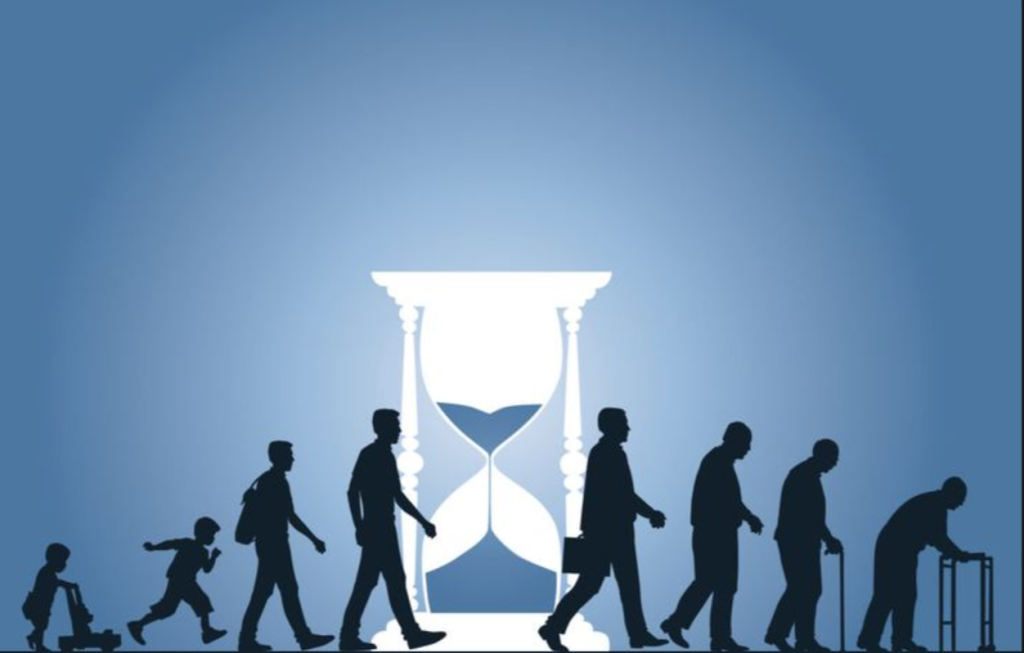
Growing older is one of the few experiences every person hopes to have, yet few are adequately prepared for what it truly means. Society often presents aging through extremes. Youth is marketed as the peak of life, full of beauty, opportunity, and limitless possibilities. Old age, meanwhile, is frequently portrayed as a period of decline, loneliness, and dependence. The truth lies somewhere in between. Aging is not simply a biological process marked by wrinkles and gray hair. It is a profound transformation that reshapes how people view themselves, relate to others, and understand the passage of time.
One of the first realities nobody tells you about growing older is that time begins to move differently. In childhood, a year feels endless. Summers seem to last forever, and birthdays arrive slowly. As adulthood progresses, months blend into years with startling speed. Responsibilities accumulate. Careers demand attention. Bills must be paid. Families require care. Before long, individuals find themselves wondering where the past decade went.
This altered perception of time often creates a sense of urgency. Many adults reach their thirties or forties and realize they have postponed dreams they once considered certain. Some wanted to travel, write books, start businesses, pursue advanced education, or learn new skills. Others imagined having stronger friendships, healthier bodies, or greater financial security. Growing older teaches an uncomfortable lesson: there is rarely a perfect moment to begin living intentionally.
Another truth about aging is that relationships change in ways few anticipate. During youth, friendships often develop naturally through school, university, or shared environments. Social circles appear permanent. As people age, careers, marriages, parenthood, relocation, and personal priorities gradually alter these connections.
Some friends drift away without conflict. Conversations become less frequent. Invitations decline. Life becomes busier, and maintaining friendships requires deliberate effort rather than convenience. Growing older reveals that not everyone is meant to accompany us through every season of life.
At the same time, people begin to value the quality of relationships more than their quantity. The excitement of having many acquaintances slowly gives way to appreciating a few individuals who offer honesty, loyalty, and emotional support. Aging teaches people to protect their peace and invest energy in relationships that are reciprocal and meaningful.
Physical changes represent another reality that many underestimate. In youth, the body often recovers quickly from poor sleep, unhealthy diets, and physical neglect. Energy feels abundant. Injuries heal rapidly. Weight management appears effortless.
Over time, recovery slows. Metabolism changes. Muscle mass decreases. Chronic fatigue becomes more common. Joint discomfort may appear unexpectedly. Medical checkups become more frequent. Health transitions from being an afterthought to becoming one of life’s most valuable assets.
Many people eventually recognize that health is not maintained through occasional efforts. It depends on consistent habits practiced over many years. Adequate sleep, regular exercise, balanced nutrition, stress management, and preventive healthcare become investments rather than optional activities.
Growing older also changes the relationship people have with their parents. As children, parents often appear strong, capable, and almost invincible. Aging gradually reveals their humanity. Hair turns gray. Physical strength diminishes. Illnesses emerge. Memory lapses become noticeable.
For many adults, one of the most painful aspects of growing older is witnessing their parents age. Roles slowly begin to reverse. Adult children find themselves offering guidance, managing appointments, providing financial assistance, or becoming caregivers.
This transition forces individuals to confront mortality in a deeply personal way. Aging teaches that time with loved ones is limited. It encourages people to express appreciation more openly, resolve unresolved conflicts, and prioritize meaningful interactions.
Financial realities also become increasingly apparent. During youth, financial setbacks often seem temporary. There is confidence that future earnings will compensate for present mistakes.
As people age, they become more aware of the long-term consequences of financial decisions. Poor saving habits, excessive debt, delayed investments, and insufficient retirement planning begin to create anxiety. Financial security becomes less about luxury and more about independence, dignity, and freedom from unnecessary stress.
Many individuals discover that wealth is not measured solely by income. It is measured by options. Financial stability provides choices regarding healthcare, housing, education, travel, and family support. Growing older highlights the importance of disciplined financial habits developed earlier in life.
Emotionally, aging produces unexpected shifts. Younger individuals often seek external validation. Approval from peers, employers, romantic partners, and society significantly influences self-worth.
Over time, many people experience a gradual reduction in their desire to impress others. Opinions that once caused distress lose their power. Individuals become more selective about where they invest their time, attention, and emotional energy.
This increased self-awareness often brings peace. People learn that perfection is unattainable. They become more accepting of imperfections, failures, and personal limitations. Mistakes are viewed less as evidence of inadequacy and more as opportunities for growth.
Yet aging is not solely associated with wisdom and acceptance. It can also bring loneliness. Children leave home. Friends relocate. Colleagues retire. Communities change. Some individuals experience the loss of spouses, siblings, or lifelong companions.
Loneliness in later years is rarely discussed openly. It reminds people that human beings require meaningful connection regardless of age. Maintaining social engagement becomes essential for emotional well-being.
Growing older also reshapes perspectives on success. During youth, success is frequently defined by material achievements, promotions, social recognition, or professional status.
As people mature, definitions evolve. Success increasingly includes peace of mind, physical health, meaningful relationships, purpose, and time spent with loved ones. Many realize that accomplishments lose significance if they are achieved at the expense of personal fulfillment.
Perhaps the most profound lesson aging teaches is the inevitability of loss. Dreams may change. Opportunities may disappear. Certain paths remain unexplored forever. Loved ones pass away. Physical abilities decline.
Initially, these realities may appear discouraging. Yet they often deepen appreciation for ordinary experiences. A shared meal, an honest conversation, a walk outdoors, or an evening spent with family acquires greater significance.
Growing older teaches that happiness is rarely found in grand milestones alone. It often resides in simple moments that younger versions of ourselves overlook while pursuing distant goals.
Ultimately, nobody tells you that growing older is not merely about accumulating years. It is about gradually understanding what truly matters. It involves letting go of unrealistic expectations, accepting change, embracing vulnerability, and recognizing the finite nature of life.
Aging does not guarantee wisdom, but it offers repeated opportunities to develop it. Those who approach the process with curiosity, humility, and gratitude often discover that while youth possesses energy and possibility, growing older offers something equally valuable: perspective. It reveals that life was never intended to be measured solely by achievements, possessions, or appearances. It is measured by the relationships nurtured, the kindness extended, the lessons learned, and the courage to continue living fully despite knowing that time is limited.
Leave a Reply