In Kenya, social media has become a way of life. Social media sites like Facebook, Instagram, TikTok, and X (formerly Twitter) have revolutionized how Kenyans interact, access information, do business, and define who they are. Social media has opened new avenues for connections and economic development, but it has also posed new challenges that continue to influence Kenyan culture.
The digital communication era has arrived. Digital communication is the new era.
The shift in communication patterns in Kenya is one of the most significant effects of social media. Family, friends and colleagues can now keep in touch from anywhere. Social media has made it easier and quicker to share information, enabling Kenyans to engage in national discourse in real time.
Language and Trends Influenced
Kenyan slang, memes, and trends have gained significant popularity on social media. Local terms can get nationwide recognition with viral posts and videos. This has contributed to the development of a unique Kenyan online culture that manifests its diversity and creativity.
Economic Opportunities
Social media platforms are a venue for entrepreneurship among many Kenyans. Small businesses can get their products and services in front of thousands of potential customers without resorting to traditional advertising and its high costs. Influencer marketing has also become a lucrative career path, particularly for millennials.
Social and political engagement.
New technologies, such as social media, have enhanced civic participation by providing a space for public discussion and civic engagement. Members of the public have the right to raise issues, organize around them, and hold leaders accountable for them. The use of Hashtag campaigns and online movements has proven the influence of digital platforms on public opinion and social change.
The impact on young culture.The impact on youth culture.
Young Kenyans are among the most active social media users. These platforms shape fashion, music, lifestyle and career choices. Exposure to cultures around the world can broaden thinking, but it can also lead to unrealistic expectations regarding success, beauty, and wealth.
Challenges and Concerns
While the advantages are there, there are several drawbacks to social media:
Increase in misinformation and misinformation. Cyber bullying, Online harassment. Data protection and privacy issues. Addiction and excessive use of screens. Mental health and self-esteem issues.
The benefits versus risks.
The use of social media can be maximized by developing users’ digital literacy skills. This encompasses checking facts before posting, safeguarding personal information, and using social media responsibly. Parents, teachers, and policymakers also play a part in promoting safe and productive online behaviour.
Conclusion
Social media is one of the most influential tools to mould Kenyan Culture. It has changed the way we communicate, created economic opportunities, amplified the voices of the social sphere, and affected the lives of millions of people. However, its long-term effect will depend on the responsible use of these digital platforms by individuals and society. Social media will continue to be a force for cultural and social transformation as Kenya continues to move towards digitalization.
I have prepared a balanced 1,000-word article that examines both the benefits and criticisms of feminism in modern dating and reaches a reasoned conclusion.
Is Feminism Helping or Hurting Modern Dating?
Few social movements have influenced modern relationships as profoundly as feminism. Over the past century, feminism has transformed legal systems, workplaces, education, politics, and family structures. It has expanded opportunities for women, challenged discriminatory practices, and promoted gender equality. Yet, alongside these achievements, an increasingly common question has emerged in public discourse: Is feminism helping or hurting modern dating?
The answer is not straightforward. Feminism has undeniably improved many aspects of romantic relationships, particularly by increasing women’s autonomy and encouraging healthier partnership dynamics. At the same time, shifting gender expectations have introduced new tensions, uncertainties, and disagreements regarding roles, responsibilities, and relationship expectations. To understand feminism’s impact on modern dating, it is necessary to examine both its contributions and the challenges associated with its evolution.
Understanding Feminism
At its core, feminism advocates for political, economic, and social equality between men and women. The movement has developed through several waves.
The first wave focused primarily on women’s voting rights and legal recognition.
The second wave emphasized workplace equality, reproductive rights, and challenging traditional gender roles.
The third and fourth waves expanded discussions to include representation, consent, gender-based violence, intersectionality, and digital activism.
The central objective of feminism has historically been to provide women with opportunities and freedoms previously restricted by societal structures.
Dating, like many social institutions, has inevitably been affected by these changes.
How Feminism Has Improved Modern Dating
Women Have Greater Freedom to Choose Partners
Historically, women often depended financially and socially on marriage. Economic limitations meant many women remained in unhealthy relationships because they lacked alternatives.
Today, many women pursue higher education, establish careers, own property, and maintain financial independence.
This independence allows women to choose partners based on emotional compatibility, shared values, and mutual respect rather than economic necessity.
Relationships formed through genuine preference rather than survival tend to have stronger foundations.
Increased Focus on Mutual Respect
Feminism has encouraged discussions about consent, communication, and personal boundaries.
Modern couples increasingly recognize the importance of open conversations regarding expectations, intimacy, finances, and long-term goals.
Healthy relationships depend on both individuals feeling heard and respected.
The expectation that men should dominate decision-making has gradually shifted toward collaborative partnerships.
Many couples now divide household responsibilities, childcare duties, and financial contributions according to practical circumstances rather than rigid gender norms.
Reduced Tolerance for Abuse
One of feminism’s most significant contributions has been increasing awareness about domestic violence, emotional manipulation, sexual coercion, and controlling behaviors.
Women today generally possess greater knowledge about unhealthy relationship patterns and are more willing to leave abusive situations.
Legal protections and social support networks have improved considerably in many societies.
This cultural shift has helped redefine acceptable behavior within romantic relationships.
Emotional Growth Among Men
Although feminism primarily advocates for women’s rights, it has indirectly encouraged men to challenge restrictive ideas of masculinity.
Traditional expectations often required men to suppress emotions, avoid vulnerability, and define self-worth solely through financial provision.
Modern relationship dynamics increasingly value emotional intelligence, communication skills, empathy, and active parenting.
Many men have benefited from these changes because they permit broader expressions of identity and emotional authenticity.
Challenges Feminism Has Introduced to Modern Dating
Uncertainty About Gender Roles
Traditional dating norms provided relatively clear expectations.
Men were generally expected to initiate conversations, plan dates, pay expenses, and assume leadership roles.
Women were expected to nurture relationships and manage domestic responsibilities.
Feminism challenged these conventions.
While increased flexibility offers advantages, it has also produced uncertainty.
Questions frequently arise:
Who should initiate contact?
Who should pay for dates?
Should expenses always be divided equally?
Should men continue fulfilling traditional provider roles?
Different individuals answer these questions differently, creating misunderstandings and conflicts.
Financial Independence Has Changed Relationship Dynamics
Economic independence has empowered women to maintain higher standards when selecting partners.
Many women prioritize emotional maturity, ambition, stability, and compatibility.
Some men perceive these expectations as increasingly difficult to meet, especially in economies characterized by unemployment, rising living costs, and limited opportunities.
At the same time, certain men express frustration when expected to fulfill traditional provider responsibilities while simultaneously embracing entirely modern relationship frameworks.
These conflicting expectations sometimes create resentment.
Social Media Amplifies Extreme Narratives
Social media platforms often reward polarizing content.
Some influencers portray feminism as responsible for declining marriage rates, increased divorce, and strained relationships.
Others argue that men remain unwilling to adapt to changing realities.
Unfortunately, these narratives frequently overlook the complexity of individual relationships.
Most successful couples do not operate according to ideological extremes.
They negotiate practical arrangements based on mutual understanding.
Delayed Marriage and Family Formation
Educational and professional opportunities have encouraged many women to postpone marriage.
Career development often becomes a priority during early adulthood.
This shift has contributed to increasing average ages at first marriage in numerous countries.
Critics argue that delayed family formation creates difficulties for individuals who eventually desire long-term partnerships or children.
Supporters counter that entering marriage later allows people to make more informed decisions and reduces the likelihood of unstable unions.
Research generally suggests that maturity, financial preparedness, and emotional compatibility positively influence marital satisfaction.
Is Feminism Responsible for Modern Dating Problems?
Attributing dating challenges solely to feminism oversimplifies a much larger issue.
Several factors contribute to modern relationship difficulties.
Economic instability affects people’s willingness to commit.
Housing costs continue rising.
Youth unemployment limits financial confidence.
Dating applications encourage abundance mindsets in which individuals constantly search for better alternatives.
Social media creates unrealistic expectations regarding beauty, wealth, and relationship perfection.
Mental health struggles, loneliness, and declining social interaction further complicate romantic connections.
These influences operate independently of feminism.
In many respects, dating has become more complicated because society itself has become more complex.
A Balanced Perspective
The question should perhaps not be whether feminism helps or hurts dating.
A more useful question is whether individuals successfully adapt to evolving social expectations.
Healthy relationships depend less on ideology and more on communication.
Problems arise when individuals hold contradictory expectations.
For example, expecting complete financial equality while simultaneously expecting traditional courtship practices may create confusion.
Similarly, dismissing emotional vulnerability in men while advocating emotional openness produces inconsistency.
Successful couples establish their own rules.
They discuss finances.
They negotiate responsibilities.
They respect personal ambitions.
They support one another’s growth.
Rather than relying exclusively on traditional or modern scripts, they build arrangements suited to their unique circumstances.
Conclusion
Feminism has largely improved modern dating by increasing women’s autonomy, promoting mutual respect, challenging abusive behaviors, and encouraging healthier communication patterns. These developments have contributed to relationships based more on choice than obligation.
At the same time, changing gender norms have introduced uncertainty regarding roles, expectations, and responsibilities. Economic pressures, social media influences, and shifting cultural values have further complicated the dating environment.
Ultimately, feminism itself is neither destroying nor saving modern dating. It has transformed the landscape in which relationships develop. Whether these changes produce stronger partnerships depends less on political labels and more on the willingness of individuals to communicate honestly, adapt thoughtfully, and pursue relationships grounded in respect, shared values, and realistic expectations. In this sense, feminism has not ended romance. It has challenged society to redefine what equitable and meaningful relationships should look like in the twenty-first century.
Growing older is one of the few experiences every person hopes to have, yet few are adequately prepared for what it truly means. Society often presents aging through extremes. Youth is marketed as the peak of life, full of beauty, opportunity, and limitless possibilities. Old age, meanwhile, is frequently portrayed as a period of decline, loneliness, and dependence. The truth lies somewhere in between. Aging is not simply a biological process marked by wrinkles and gray hair. It is a profound transformation that reshapes how people view themselves, relate to others, and understand the passage of time.
One of the first realities nobody tells you about growing older is that time begins to move differently. In childhood, a year feels endless. Summers seem to last forever, and birthdays arrive slowly. As adulthood progresses, months blend into years with startling speed. Responsibilities accumulate. Careers demand attention. Bills must be paid. Families require care. Before long, individuals find themselves wondering where the past decade went.
This altered perception of time often creates a sense of urgency. Many adults reach their thirties or forties and realize they have postponed dreams they once considered certain. Some wanted to travel, write books, start businesses, pursue advanced education, or learn new skills. Others imagined having stronger friendships, healthier bodies, or greater financial security. Growing older teaches an uncomfortable lesson: there is rarely a perfect moment to begin living intentionally.
Another truth about aging is that relationships change in ways few anticipate. During youth, friendships often develop naturally through school, university, or shared environments. Social circles appear permanent. As people age, careers, marriages, parenthood, relocation, and personal priorities gradually alter these connections.
Some friends drift away without conflict. Conversations become less frequent. Invitations decline. Life becomes busier, and maintaining friendships requires deliberate effort rather than convenience. Growing older reveals that not everyone is meant to accompany us through every season of life.
At the same time, people begin to value the quality of relationships more than their quantity. The excitement of having many acquaintances slowly gives way to appreciating a few individuals who offer honesty, loyalty, and emotional support. Aging teaches people to protect their peace and invest energy in relationships that are reciprocal and meaningful.
Physical changes represent another reality that many underestimate. In youth, the body often recovers quickly from poor sleep, unhealthy diets, and physical neglect. Energy feels abundant. Injuries heal rapidly. Weight management appears effortless.
Over time, recovery slows. Metabolism changes. Muscle mass decreases. Chronic fatigue becomes more common. Joint discomfort may appear unexpectedly. Medical checkups become more frequent. Health transitions from being an afterthought to becoming one of life’s most valuable assets.
Many people eventually recognize that health is not maintained through occasional efforts. It depends on consistent habits practiced over many years. Adequate sleep, regular exercise, balanced nutrition, stress management, and preventive healthcare become investments rather than optional activities.
Growing older also changes the relationship people have with their parents. As children, parents often appear strong, capable, and almost invincible. Aging gradually reveals their humanity. Hair turns gray. Physical strength diminishes. Illnesses emerge. Memory lapses become noticeable.
For many adults, one of the most painful aspects of growing older is witnessing their parents age. Roles slowly begin to reverse. Adult children find themselves offering guidance, managing appointments, providing financial assistance, or becoming caregivers.
This transition forces individuals to confront mortality in a deeply personal way. Aging teaches that time with loved ones is limited. It encourages people to express appreciation more openly, resolve unresolved conflicts, and prioritize meaningful interactions.
Financial realities also become increasingly apparent. During youth, financial setbacks often seem temporary. There is confidence that future earnings will compensate for present mistakes.
As people age, they become more aware of the long-term consequences of financial decisions. Poor saving habits, excessive debt, delayed investments, and insufficient retirement planning begin to create anxiety. Financial security becomes less about luxury and more about independence, dignity, and freedom from unnecessary stress.
Many individuals discover that wealth is not measured solely by income. It is measured by options. Financial stability provides choices regarding healthcare, housing, education, travel, and family support. Growing older highlights the importance of disciplined financial habits developed earlier in life.
Emotionally, aging produces unexpected shifts. Younger individuals often seek external validation. Approval from peers, employers, romantic partners, and society significantly influences self-worth.
Over time, many people experience a gradual reduction in their desire to impress others. Opinions that once caused distress lose their power. Individuals become more selective about where they invest their time, attention, and emotional energy.
This increased self-awareness often brings peace. People learn that perfection is unattainable. They become more accepting of imperfections, failures, and personal limitations. Mistakes are viewed less as evidence of inadequacy and more as opportunities for growth.
Yet aging is not solely associated with wisdom and acceptance. It can also bring loneliness. Children leave home. Friends relocate. Colleagues retire. Communities change. Some individuals experience the loss of spouses, siblings, or lifelong companions.
Loneliness in later years is rarely discussed openly. It reminds people that human beings require meaningful connection regardless of age. Maintaining social engagement becomes essential for emotional well-being.
Growing older also reshapes perspectives on success. During youth, success is frequently defined by material achievements, promotions, social recognition, or professional status.
As people mature, definitions evolve. Success increasingly includes peace of mind, physical health, meaningful relationships, purpose, and time spent with loved ones. Many realize that accomplishments lose significance if they are achieved at the expense of personal fulfillment.
Perhaps the most profound lesson aging teaches is the inevitability of loss. Dreams may change. Opportunities may disappear. Certain paths remain unexplored forever. Loved ones pass away. Physical abilities decline.
Initially, these realities may appear discouraging. Yet they often deepen appreciation for ordinary experiences. A shared meal, an honest conversation, a walk outdoors, or an evening spent with family acquires greater significance.
Growing older teaches that happiness is rarely found in grand milestones alone. It often resides in simple moments that younger versions of ourselves overlook while pursuing distant goals.
Ultimately, nobody tells you that growing older is not merely about accumulating years. It is about gradually understanding what truly matters. It involves letting go of unrealistic expectations, accepting change, embracing vulnerability, and recognizing the finite nature of life.
Aging does not guarantee wisdom, but it offers repeated opportunities to develop it. Those who approach the process with curiosity, humility, and gratitude often discover that while youth possesses energy and possibility, growing older offers something equally valuable: perspective. It reveals that life was never intended to be measured solely by achievements, possessions, or appearances. It is measured by the relationships nurtured, the kindness extended, the lessons learned, and the courage to continue living fully despite knowing that time is limited.
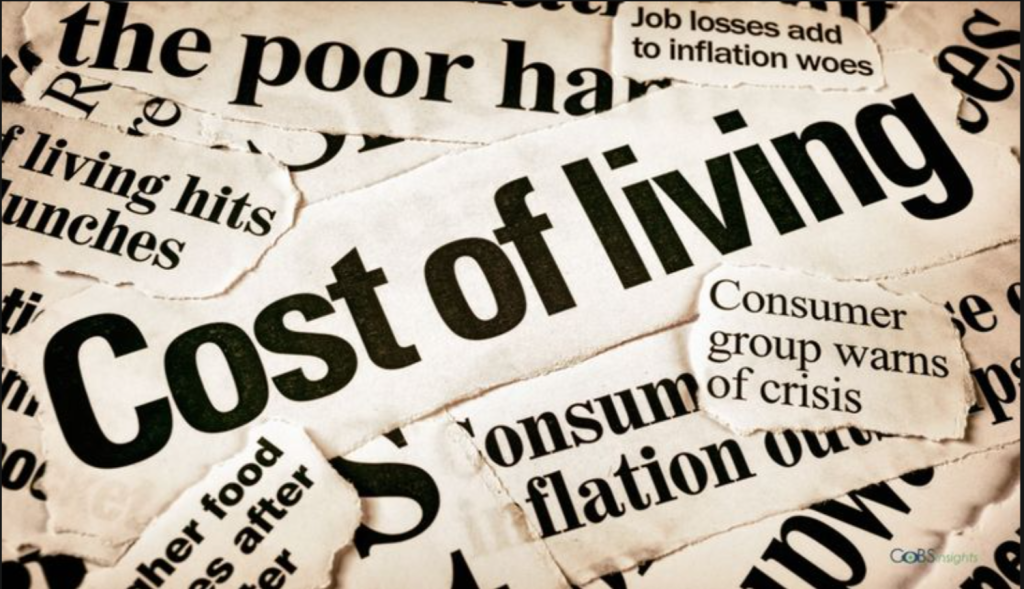
The following article is designed to challenge assumptions, explain the drivers of Kenya’s cost-of-living crisis, and encourage citizens to think critically about economic choices and public accountability. Recent data show inflation in Kenya rising sharply in 2026, largely driven by food, transport, and fuel costs. Inflation reached 6.7% in May 2026, while transport and food prices have been among the strongest contributors to household pressure. (capitalfm.co.ke)
The Cost of Living Crisis in Kenya: Why Many Families Are Working Harder Yet Living Worse
For millions of Kenyans, the cost-of-living crisis is no longer an economic term discussed by analysts and politicians. It is the daily reality of skipped meals, postponed medical visits, mounting debts, delayed rent payments, and shrinking household budgets. Despite reports of economic growth and improved macroeconomic indicators, many citizens feel poorer today than they did a few years ago.
The question many Kenyans continue to ask is simple: Why does life seem to become more expensive every year while incomes remain almost unchanged?
The answer lies in a combination of inflation, taxation, fuel prices, unemployment, currency pressures, structural weaknesses in production, and policy choices.
Understanding the Cost-of-Living Crisis
The cost of living refers to the amount of money required to maintain a certain standard of living. It includes food, housing, transport, education, healthcare, electricity, water, clothing, and communication expenses.
A crisis emerges when the prices of these necessities rise faster than people’s incomes. Families begin spending a larger share of their earnings on basic survival, leaving little room for savings, investment, recreation, or emergencies.
Recent inflation figures indicate that Kenya experienced increased inflationary pressure in 2026, driven largely by higher fuel prices, transport costs, and food expenses. Inflation reached 6.7 percent in May 2026, the highest level in more than two years. (Reuters)
Yet inflation figures alone do not tell the full story.
A household earning KSh 50,000 monthly may technically still earn the same amount today as it did two years ago. The problem is that the purchasing power of those fifty thousand shillings has declined significantly.
The money has not changed.
What has changed is what the money can buy.
Fuel Prices: The Invisible Tax on Everything
Fuel is arguably the single most important component influencing Kenya’s cost of living.
Kenya imports most of its petroleum products. Any increase in global crude oil prices, shipping costs, or exchange rate fluctuations directly affects local pump prices.
Fuel is not simply used by motorists.
Fuel powers transportation systems.
It moves vegetables from Meru to Nairobi.
It transports fish from Kisumu.
It delivers medicine to hospitals.
It powers generators used by businesses.
It influences manufacturing costs.
It affects construction.
It affects agriculture.
It affects electricity production.
When diesel prices increase, transport operators increase fares. Farmers spend more moving produce. Supermarkets pay higher logistics expenses. Businesses transfer these additional costs to consumers.
Ultimately, citizens pay more for food, transportation, and everyday goods.
Recent reports indicate that rising fuel prices have significantly contributed to Kenya’s current inflationary pressures, particularly affecting transportation and food prices. (Reuters)
Taxation and Disposable Income
Taxes play a critical role in funding government services.
However, taxation becomes problematic when citizens perceive that the burden exceeds their ability to pay.
Kenyans contribute through income taxes, value-added taxes, fuel levies, import duties, housing deductions, and numerous indirect taxes embedded within consumer prices.
Indirect taxes disproportionately affect low and middle-income earners.
A wealthy individual and a casual laborer pay similar VAT rates when purchasing cooking oil or bread.
The impact, however, differs dramatically.
For a household already allocating seventy percent of income toward necessities, even modest price increases create severe financial strain.
Citizens are increasingly questioning whether taxation levels correspond with improvements in healthcare, infrastructure, education, and public services.
Food Insecurity and Agricultural Challenges
Food remains the largest household expenditure for many Kenyan families.
Several factors influence food prices.
Climate variability continues to disrupt agricultural production.
Irregular rainfall patterns reduce crop yields.
High fertilizer prices increase production costs.
Poor storage facilities contribute to post-harvest losses.
Middlemen often capture substantial portions of agricultural profits.
Transportation expenses further increase market prices.
Ironically, Kenya remains heavily dependent on agriculture, yet many farmers remain poor while consumers face expensive food prices.
This disconnect reveals weaknesses within agricultural supply chains and market systems.
Improving local food production efficiency could substantially reduce household expenditures.
Unemployment and Underemployment
The cost-of-living crisis cannot be examined independently from employment challenges.
Kenya has a youthful population entering the labor market every year.
Formal job creation has not kept pace with population growth.
Many university graduates remain unemployed.
Others work in informal sectors with irregular incomes.
Some possess advanced qualifications but earn wages insufficient to support families.
A rising cost of living becomes devastating when incomes are unstable.
People begin borrowing for basic needs.
Savings decline.
Debt accumulation increases.
Mental stress intensifies.
Young adults postpone marriage.
Families delay home ownership.
Entrepreneurial risks become harder to undertake.
Economic insecurity gradually transforms into social insecurity.
Housing Pressures
Rent consumes a significant share of urban household income.
In Nairobi and other major towns, rental costs continue rising despite stagnant wages.
Landlords face increased expenses associated with maintenance, utilities, security, and financing.
Tenants absorb these costs.
For many workers, rent accounts for between thirty and fifty percent of monthly earnings.
Affordable housing remains a challenge despite policy initiatives aimed at increasing supply.
Housing affordability is no longer a concern only for low-income earners.
Middle-class families increasingly struggle to maintain previous living standards.
Why Economic Growth Does Not Always Improve Lives
Governments often cite gross domestic product growth as evidence of economic progress.
Economic growth matters.
Yet growth alone does not guarantee improved living conditions.
Growth concentrated within a few sectors may generate wealth for investors while ordinary workers experience limited benefits.
The critical question is not simply whether the economy grows.
The question is whether citizens experience meaningful increases in purchasing power.
Economic success should be measured not only through statistics but also through practical indicators.
Can families afford nutritious meals?
Can young professionals save money?
Can businesses expand?
Can citizens access affordable healthcare?
Can workers commute without sacrificing essential expenses?
These are the indicators that citizens understand.
The Role of Citizens
While governments hold substantial responsibility for economic management, citizens also play an important role.
Voting decisions matter.
Demanding transparency matters.
Supporting local production matters.
Financial literacy matters.
Avoiding excessive debt matters.
Encouraging accountability matters.
Citizens who exchange votes for short-term incentives often weaken their ability to demand long-term economic reforms.
Public participation should extend beyond election periods.
Continuous civic engagement helps strengthen institutions and improve policy implementation.
Conclusion
Kenya’s cost-of-living crisis is not the result of a single event or policy. It is the product of interconnected challenges involving fuel dependency, taxation, food insecurity, unemployment, housing pressures, and structural inefficiencies within the economy.
The most painful aspect of the crisis is not merely rising prices. It is the widening gap between effort and reward. Millions of Kenyans wake up early, work diligently, and pursue opportunities, yet many still struggle to meet basic needs.
An economy should not merely expand on paper. It should enable citizens to live with dignity, save for the future, educate their children, and pursue opportunities without constant anxiety about survival. Until economic progress is reflected in the daily experiences of ordinary households, the cost-of-living debate will remain one of the most important conversations facing Kenya.
This article uses recent inflation and fuel-cost data reported in 2026 to provide factual context. (capitalfm.co.ke)
The twenties are often described as the decade of exploration, independence, and self-discovery. It is a period when many people complete their education, enter the workforce, build relationships, and begin making financial decisions without parental guidance. While mistakes are a natural part of learning, financial mistakes made during this stage of life can have consequences that extend far into the future. The habits developed in one’s twenties often determine financial stability, wealth accumulation, and economic security in later years. Understanding these common mistakes is essential for young adults seeking to establish a strong financial foundation.
Living Without a Budget
One of the most common financial mistakes among young adults is failing to create and follow a budget. Receiving a salary for the first time often creates a sense of financial freedom, leading many individuals to spend impulsively without understanding where their money goes.
Without a budget, it becomes difficult to distinguish between essential expenses and discretionary spending. Small purchases such as frequent dining out, entertainment subscriptions, ride-hailing services, and online shopping may appear insignificant individually, but collectively they consume a substantial portion of monthly income.
A budget serves as a financial roadmap. It allows individuals to allocate money toward necessities, savings, investments, and leisure activities while maintaining control over their financial situation.
Neglecting Emergency Savings
Many people in their twenties underestimate the importance of an emergency fund. They often assume they will remain healthy, employed, or financially supported by family members.
Life, however, is unpredictable. Medical emergencies, job losses, accidents, business failures, or unexpected repairs can arise at any time. Without savings, individuals are forced to rely on loans, credit cards, or borrowing from friends and relatives.
Financial experts generally recommend maintaining an emergency fund equivalent to three to six months of living expenses. Building this reserve gradually provides peace of mind and reduces vulnerability during difficult periods.
Accumulating Unnecessary Debt
Debt itself is not always harmful. Education loans, mortgages, and business financing may contribute positively to future earnings and wealth creation. Problems arise when young adults accumulate debt to finance lifestyles they cannot afford.
Credit cards, mobile loan applications, buy-now-pay-later services, and personal loans provide easy access to money. Unfortunately, they also encourage overspending.
Many individuals purchase expensive smartphones, designer clothing, luxury vacations, or vehicles through borrowed funds without considering repayment obligations.
High-interest debt grows rapidly and limits future financial flexibility. Money that could have been invested or saved is instead used to service interest payments.
Failing to Invest Early
Youth is one of the greatest financial advantages an individual possesses. Yet many people postpone investing because they believe they need substantial amounts of money to begin.
The principle of compound growth demonstrates the importance of starting early. Investments made in one’s twenties have decades to appreciate, generating returns on both the original capital and previous earnings.
Even modest monthly contributions toward investment accounts, mutual funds, stocks, retirement schemes, or low-risk savings products can accumulate significantly over time.
Delaying investment by ten or fifteen years often requires substantially larger contributions later to achieve the same financial goals.
Lifestyle Inflation
As income increases, many young adults increase spending at the same rate or even faster. This phenomenon, known as lifestyle inflation, prevents wealth accumulation despite salary growth.
After receiving promotions or salary increments, individuals may move to more expensive apartments, purchase newer vehicles, dine at upscale restaurants, or adopt spending habits intended to signal social success.
While improving living standards is understandable, continuously expanding expenses leaves little room for saving and investing.
Financial stability depends not only on how much one earns but also on how much one retains and grows over time.
Ignoring Retirement Planning
Retirement often appears too distant for individuals in their twenties. Consequently, many postpone contributing to pension plans or retirement accounts.
This delay represents a missed opportunity because retirement savings benefit significantly from long investment horizons.
Contributing small amounts consistently from an early age reduces the pressure to save aggressively later in life.
People who delay retirement planning until their forties frequently struggle to accumulate sufficient assets to maintain their desired lifestyles after leaving employment.
Comparing Financial Progress with Others
Social media has transformed personal finance into a public performance. Young adults are constantly exposed to images of luxury vacations, expensive gadgets, fashionable clothing, and seemingly successful lifestyles.
These portrayals rarely reflect financial realities. Some individuals finance appearances through debt, family assistance, or unsustainable spending patterns.
Attempting to match the lifestyles of peers often results in poor financial decisions.
Each person’s circumstances differ based on education, family background, career progression, and personal goals. Financial decisions should be guided by individual priorities rather than external expectations.
Neglecting Financial Education
Many schools and universities provide limited practical instruction on managing money. As a result, numerous young adults enter the workforce without understanding taxes, insurance, investments, credit scores, inflation, or long-term financial planning.
Some individuals avoid learning about finances because they consider the subject complicated or uninteresting.
Financial literacy is an essential life skill. Reading books, attending workshops, following reputable financial educators, and seeking professional advice improve decision-making and reduce costly mistakes.
Knowledge enables individuals to recognize opportunities and avoid scams or poorly structured investments.
Failing to Obtain Adequate Insurance
Insurance is often overlooked by people in their twenties because they perceive themselves as young and healthy.
Unexpected illnesses, accidents, disabilities, or property losses can impose severe financial burdens.
Health insurance, personal accident coverage, and asset protection plans help mitigate financial risks.
Insurance should not be viewed solely as an expense but as a mechanism for preserving financial stability.
Investing Based on Hype
The rise of online investment communities has exposed young adults to opportunities involving cryptocurrencies, foreign exchange trading, speculative stocks, and high-return schemes.
While some investments generate profits, many individuals participate without conducting proper research.
Fear of missing out encourages impulsive decisions driven by promises of quick wealth.
Successful investing requires patience, diversification, risk assessment, and a clear understanding of investment products.
Individuals should avoid opportunities they do not fully understand and remain cautious of schemes guaranteeing unusually high returns.
Overlooking Career Development
Financial success is closely linked to earning potential. Some young adults focus exclusively on reducing expenses while neglecting opportunities to improve income.
Developing professional skills, obtaining certifications, networking, pursuing advanced education, and gaining practical experience often produce substantial long-term financial benefits.
Investing in personal growth frequently yields returns that exceed those available from traditional investments.
Conclusion
The twenties represent a crucial period for establishing financial habits that influence future prosperity. Mistakes made during these years are common, but they need not become permanent obstacles. Living without a budget, accumulating unnecessary debt, delaying investments, neglecting savings, and pursuing lifestyles designed to impress others can significantly hinder long-term financial progress.
Financial independence is rarely achieved through sudden wealth or exceptional income. It is built through disciplined habits, informed decisions, continuous learning, and a willingness to prioritize long-term security over short-term gratification. Individuals who manage their finances wisely during their twenties place themselves in a stronger position to navigate future challenges, pursue personal ambitions, and enjoy greater economic freedom throughout their lives.
Every year, Men’s Mental Health Awareness Month serves as an opportunity to confront a crisis that has remained hidden behind cultural expectations, social conditioning, and deeply ingrained ideas of masculinity. Across societies, men are often expected to embody strength, resilience, and emotional control. While these traits are not inherently harmful, they become destructive when they discourage men from expressing vulnerability, seeking support, or acknowledging psychological distress. Emotional suppression among men has evolved into a significant public health concern, contributing to rising rates of depression, substance abuse, social isolation, and suicide.
From childhood, many boys are exposed to messages that shape their understanding of masculinity. Phrases such as “boys do not cry,” “man up,” and “be strong” teach young males that displaying sadness, fear, or emotional pain is a sign of weakness. Parents, teachers, peers, and media representations often reinforce these expectations, intentionally or unintentionally. Over time, many men learn to internalize emotional struggles rather than communicate them. They become skilled at hiding pain, often presenting an image of stability even when experiencing profound distress.
Unlike women, who are generally encouraged to discuss emotions and seek social support, men are frequently conditioned to solve problems independently. This tendency becomes problematic when emotional challenges cannot be managed alone. Stress arising from unemployment, financial responsibilities, relationship difficulties, family obligations, or professional pressures may accumulate over months or years. Instead of seeking counseling or confiding in trusted individuals, some men distract themselves through excessive work, alcohol consumption, gambling, risky behavior, or emotional withdrawal.
Depression in men often differs from the traditional symptoms commonly recognized by society. While sadness and tearfulness may be present, men experiencing depression are more likely to exhibit irritability, anger, aggression, fatigue, difficulty concentrating, sleep disturbances, or increased substance use. These manifestations are frequently misunderstood as personality flaws or behavioral issues rather than signs of psychological suffering. Consequently, many cases remain undiagnosed and untreated.
The consequences of emotional suppression extend beyond the individual. Families, relationships, workplaces, and communities also suffer. Men who struggle to communicate their emotions may find it difficult to build healthy intimate relationships. Partners may perceive emotional distance as indifference or lack of affection. Children growing up in households where fathers suppress emotions may unconsciously adopt similar patterns, perpetuating a cycle in which emotional expression remains stigmatized across generations.
One of the most alarming outcomes associated with untreated mental health challenges among men is suicide. Globally, men account for a disproportionately high percentage of suicide deaths. Research consistently demonstrates that although women report higher rates of suicidal thoughts and attempts, men are more likely to die by suicide. Several factors contribute to this disparity, including reluctance to seek professional help, social stigma surrounding vulnerability, access to lethal means, and delayed intervention.
The workplace presents another critical dimension of men’s mental health. Many men derive a substantial portion of their identity and self-worth from their ability to provide financially. Economic instability, job loss, underemployment, or workplace stress can therefore have devastating psychological effects. In societies experiencing high youth unemployment and increasing living costs, young men may experience feelings of inadequacy, hopelessness, and diminished self-esteem. The pressure to meet societal expectations while lacking sufficient resources creates a conflict that many struggle to navigate.
Cultural norms also play a significant role in shaping men’s experiences with mental health. In numerous communities, mental illness continues to be viewed as a personal failure rather than a medical condition requiring care and support. Men who seek therapy may fear being judged, ridiculed, or perceived as incapable of fulfilling traditional masculine roles. This stigma remains one of the most significant barriers to treatment.
Social media introduces both opportunities and challenges. On one hand, online platforms have enabled greater visibility for discussions surrounding men’s mental health. Public figures, athletes, and influencers sharing personal experiences have contributed to reducing stigma. Their openness demonstrates that emotional struggles do not diminish a man’s value, competence, or masculinity. On the other hand, social media often promotes unrealistic standards of success, wealth, physical appearance, and lifestyle. Constant exposure to curated images of achievement can intensify feelings of failure and isolation among men already facing psychological difficulties.
Addressing emotional suppression requires interventions at multiple levels. Families must encourage boys to identify, articulate, and process emotions from an early age. Schools should incorporate emotional literacy programs that teach coping mechanisms, stress management, and communication skills. Employers need to establish supportive environments where discussions about mental well-being are normalized and confidential counseling services are accessible.
Healthcare systems also bear responsibility for improving access to affordable mental health services tailored to men’s needs. Community outreach programs, support groups, and awareness campaigns should emphasize that seeking help reflects self-awareness and courage rather than weakness. Therapists and mental health professionals may consider approaches that resonate with men who feel uncomfortable discussing emotions directly, including activity-based therapies, peer support initiatives, and solution-focused interventions.
Men themselves must participate actively in changing cultural narratives surrounding masculinity. Strength should no longer be defined solely by endurance or silence. Genuine strength includes recognizing personal limitations, asking for assistance when needed, and developing the capacity to share emotional experiences honestly. Building trusted friendships, maintaining physical health, practicing mindfulness, and engaging in meaningful social connections can significantly improve psychological well-being.
Men’s Mental Health Awareness Month should not be reduced to symbolic gestures or temporary campaigns. It should serve as a catalyst for sustained societal transformation. The silence surrounding men’s emotional pain has cost countless lives, damaged relationships, and prevented many individuals from reaching their full potential. Creating a society where men feel safe expressing vulnerability does not weaken masculinity. Instead, it redefines masculinity in a way that values humanity, connection, and emotional authenticity.
The conversation about men’s mental health is ultimately a conversation about dignity, compassion, and prevention. Men deserve spaces where they can speak openly about fear, disappointment, grief, anxiety, and loneliness without facing judgment. When society grants men permission to be emotionally honest, it not only protects individual lives but also fosters healthier families, stronger communities, and a more empathetic world.
Please be aware that when you see cow be said the roads cear full on that of criminal gunuse or terrorist be aware sum of people died of that guy’s